- 185≈BPM
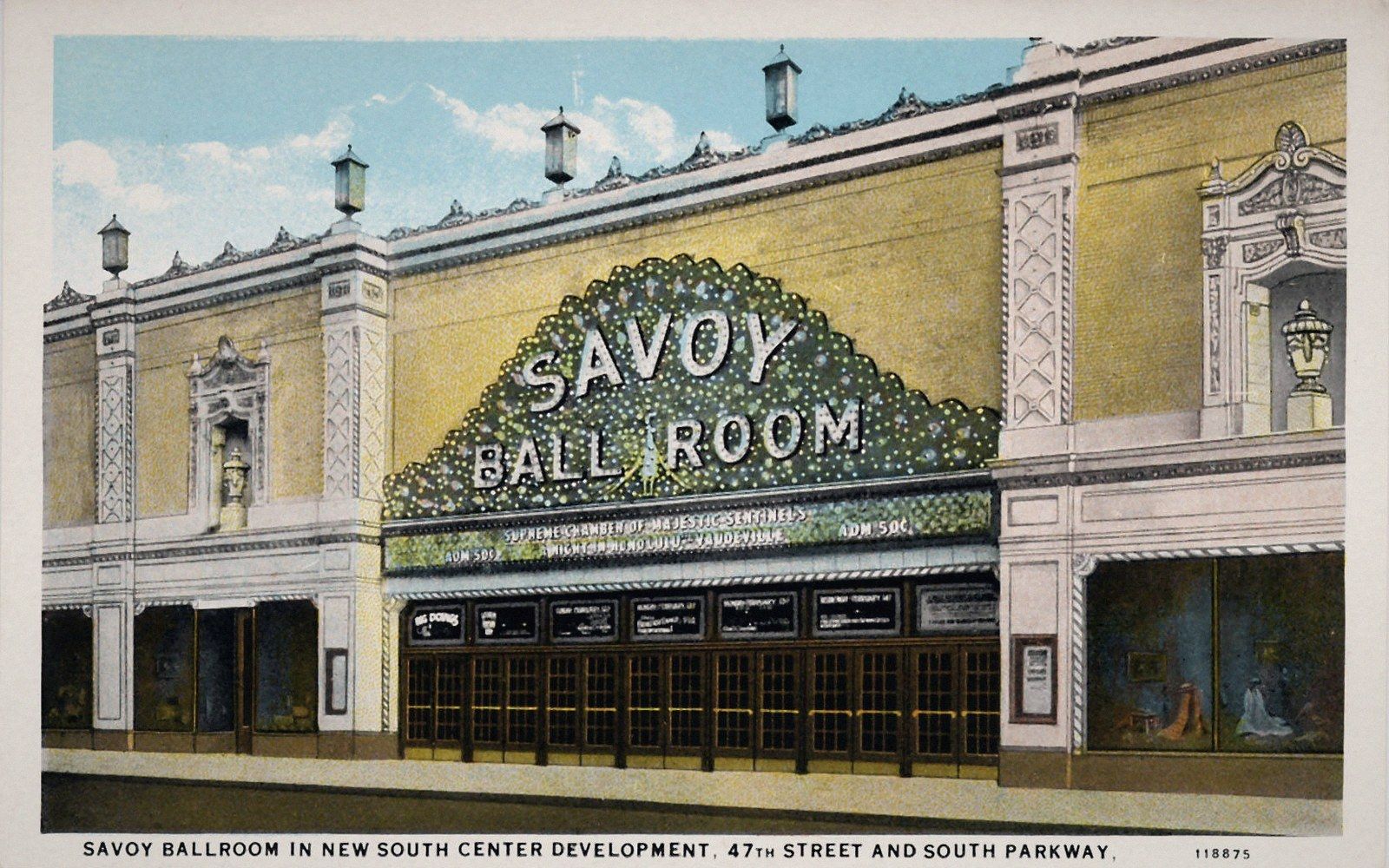
The Savoy Ballroom
The Harlem ballroom where Lindy Hop was developed, the scale of the room, the resident bands, and the dancers who made it the reference floor. Handled as load-bearing history with credit, not as nostalgia.
- 175≈BPM
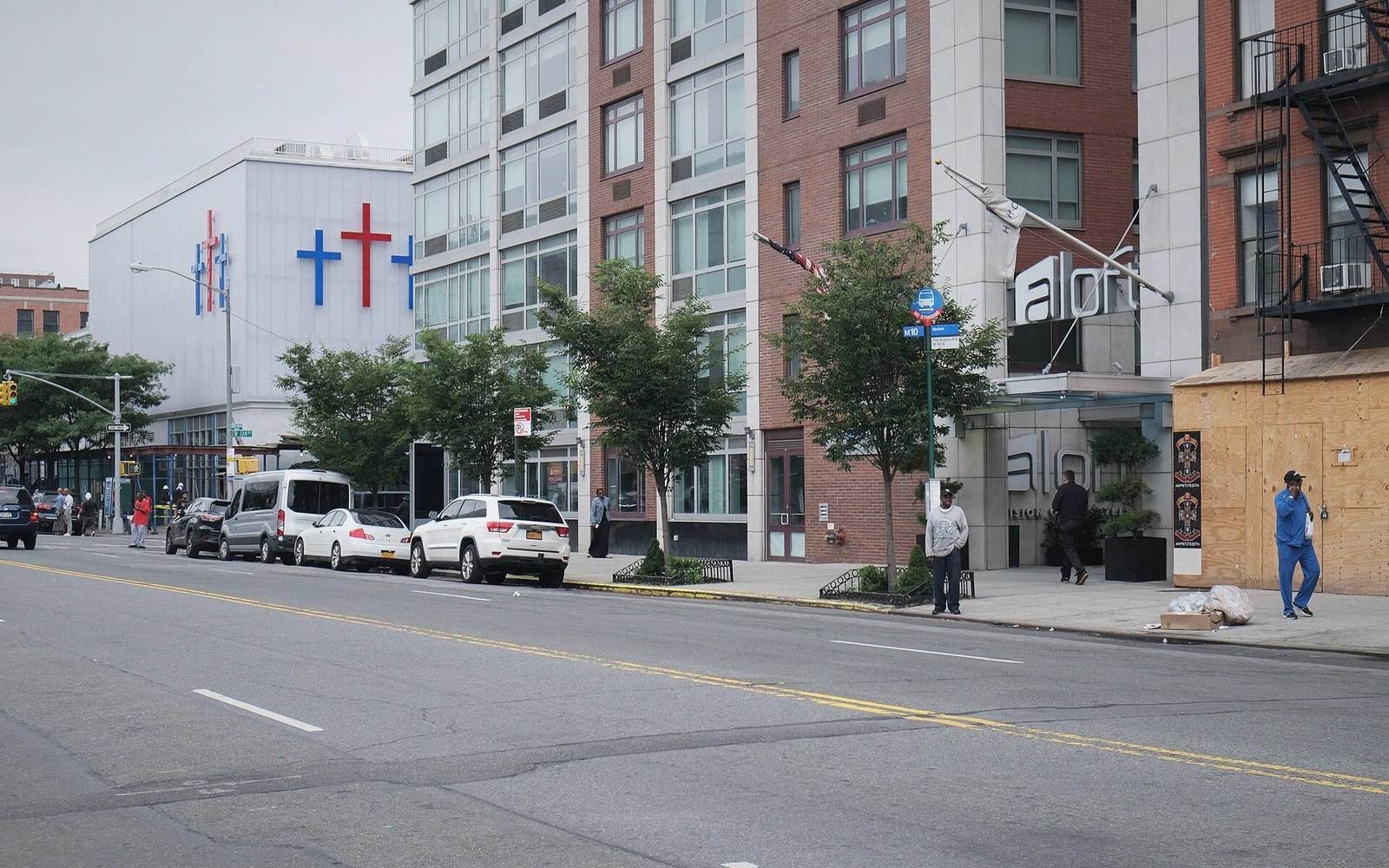
Harlem Made the Dance
The Black American community in Harlem that created Lindy Hop, the social conditions the dance grew in, and why crediting that origin accurately matters more than any style debate.
- 145≈BPM
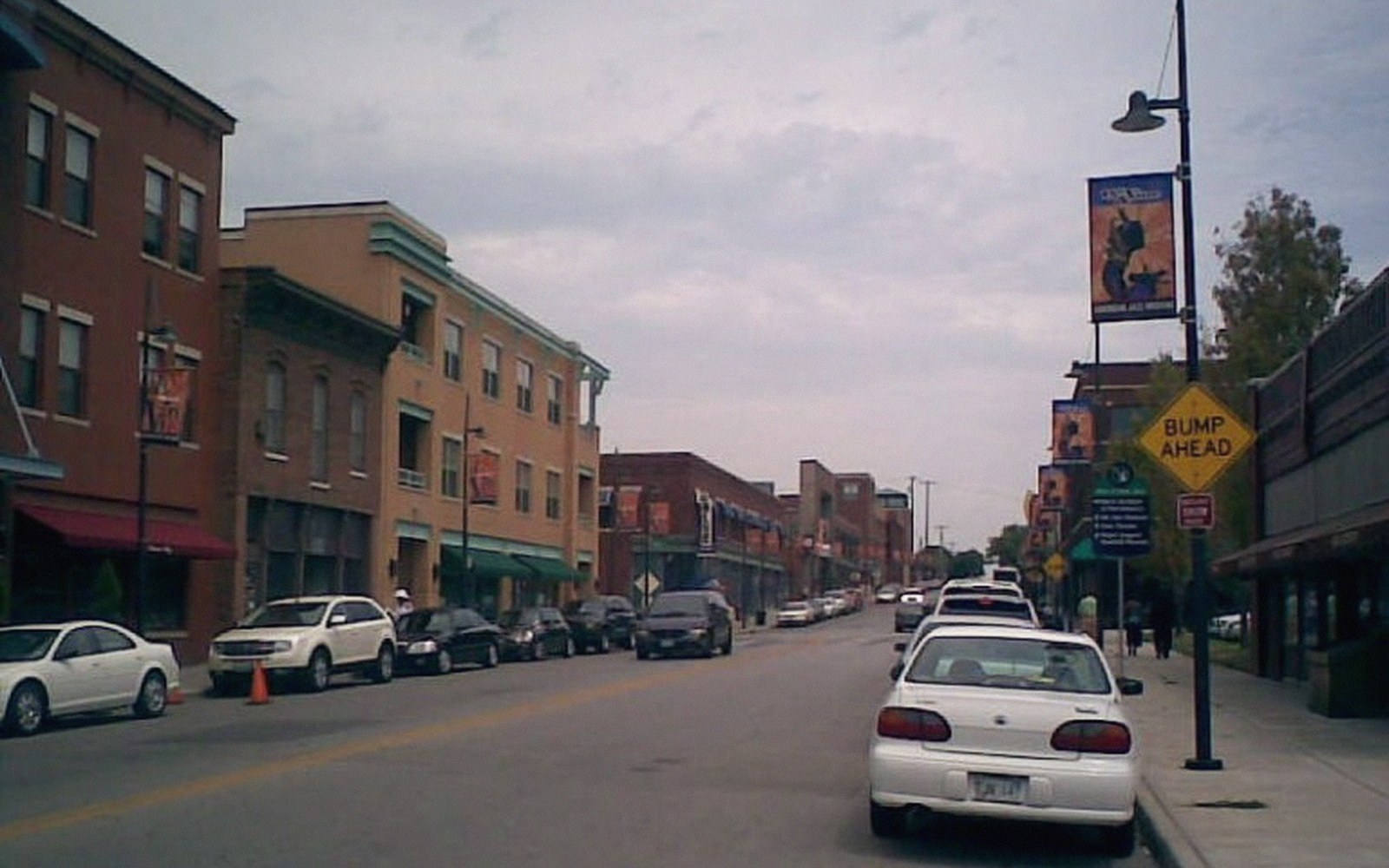
Kansas City and the Riff
How the Kansas City bands built a rhythmic language out of riffs and blues form, and what that did to the floors that danced to it.
- 135≈BPM
The Economics That Built the Ballrooms
Touring circuits, ballroom capacity, radio broadcast and the record business — the commercial machinery that made a dance craze possible and then withdrew it.
- 115≈BPM
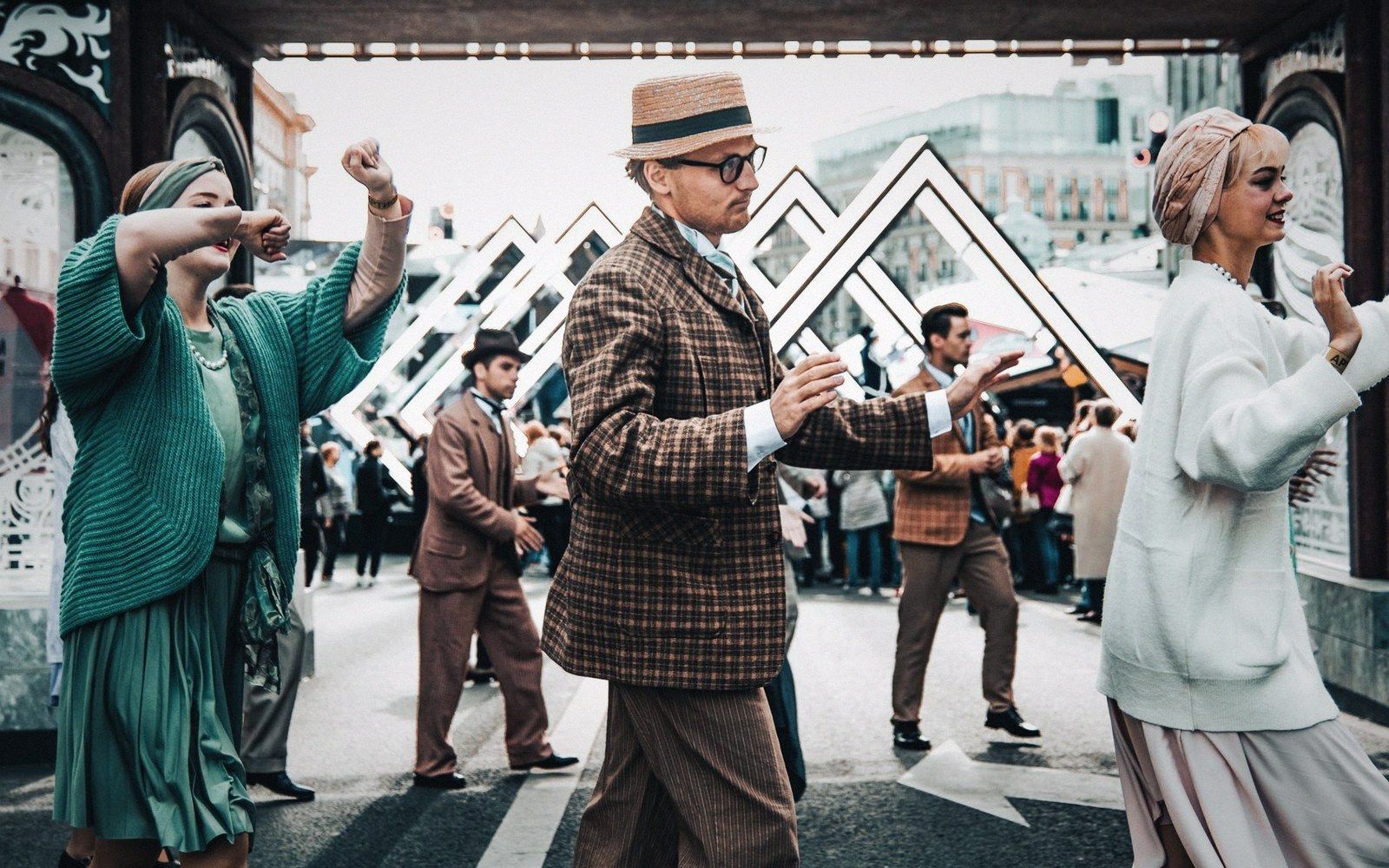
The Revival, and What It Got Wrong
The late-century revival that brought these dances back, what it recovered accurately, and where it substituted costume and pastiche for the original musical relationship.