- 180≈BPM
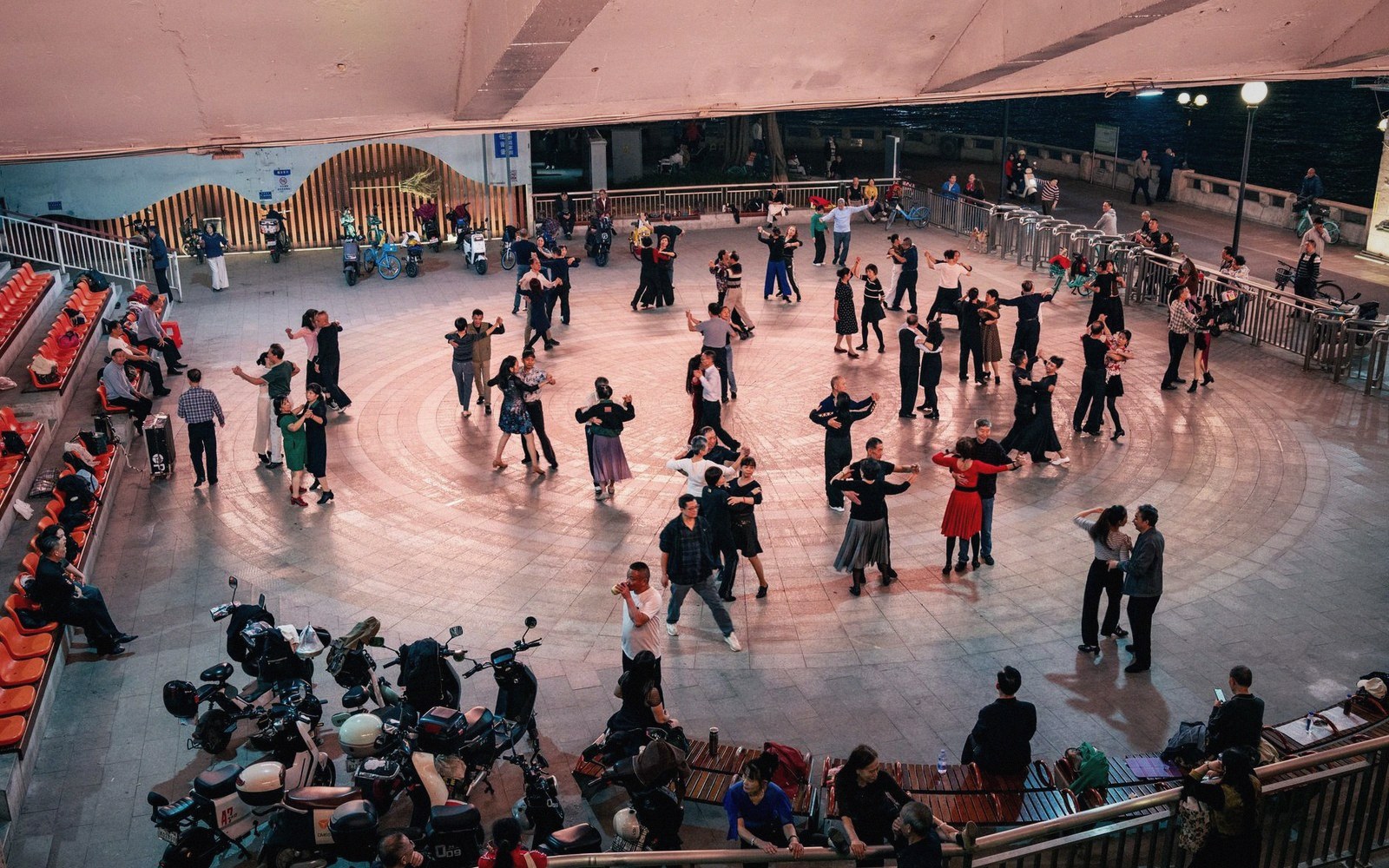
Floorcraft, and Why Collisions Are a Skill Problem
Traffic on a crowded floor as a solvable problem: sightlines, slot discipline, the cost of a big move in a small space, and whose responsibility a collision is.
- 155≈BPM

The Room Changes the Dance
Ceiling height, floor area, where the band sits and how loud the room is — how the physical space quietly selects which dance works in it.
- 130≈BPM

Why a Floor Is Sprung
The construction of a sprung floor, what it does to joints over four hours of dancing, and how dancers can feel the difference between maple on battens and a slab with vinyl over it.
- 125≈BPM
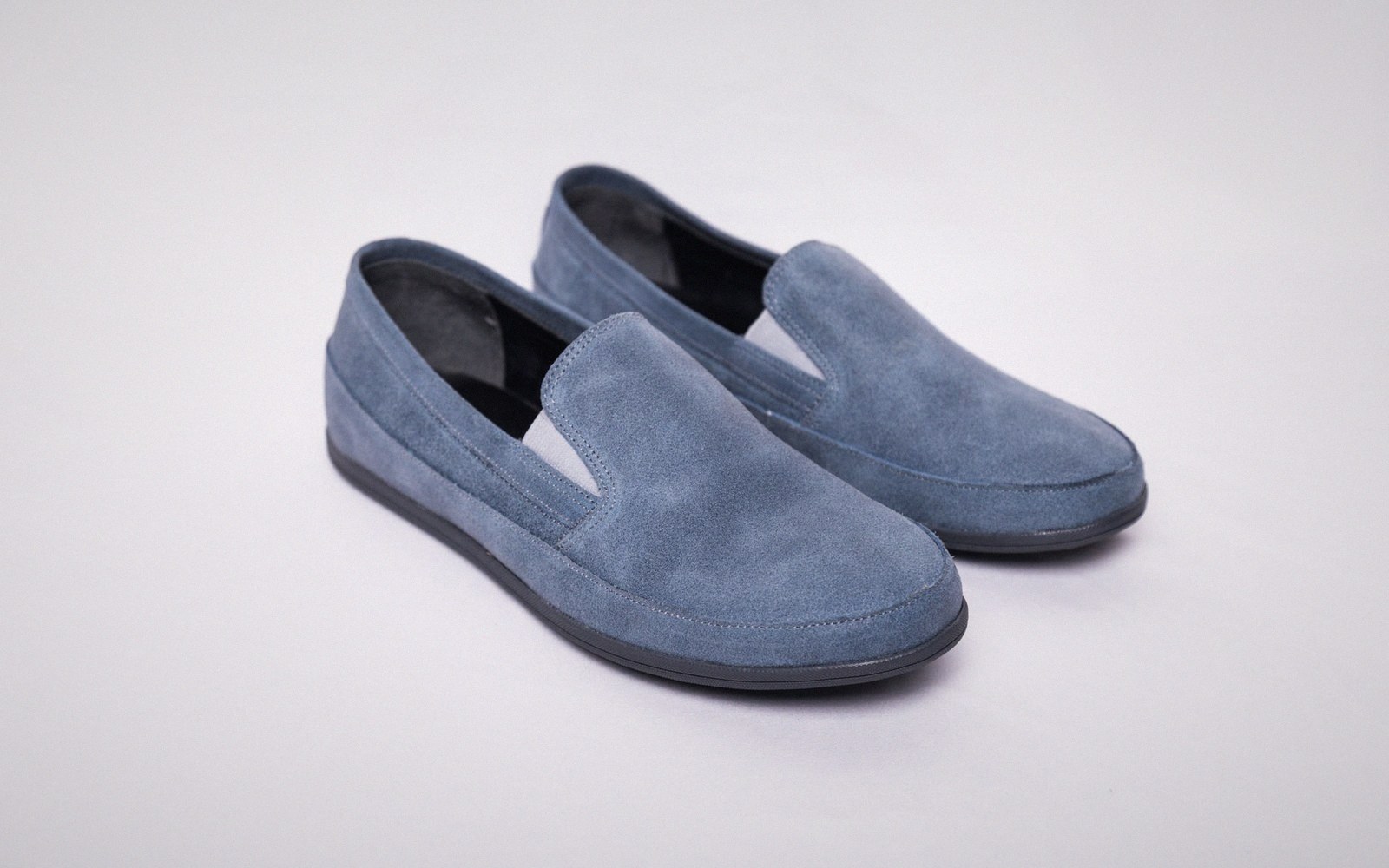
Shoes, and What They Actually Do
Suede versus leather soles, why grip is the enemy of a pivot, heel height as a balance decision, and the case against dancing in trainers on a wooden floor.
- 110≈BPM
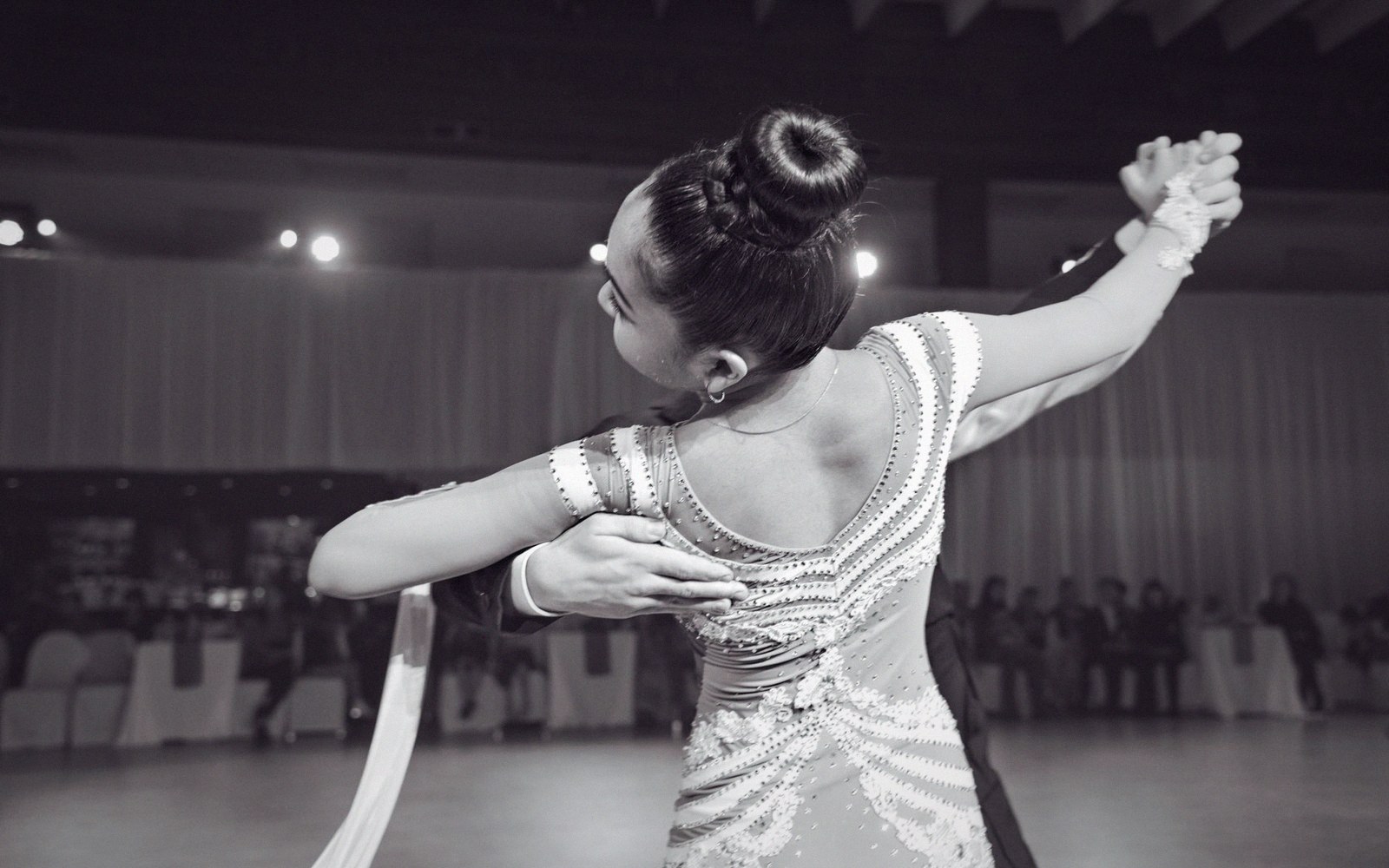
What the Floor Expects of You
Asking, declining, the length of a dance, hygiene, and the difference between a social floor and a performance. Written as mechanics rather than as a code of manners.