- 240≈BPM

Balboa Exists Because the Floor Was Full
The Balboa Peninsula ballrooms of the 1930s drew crowds too dense for swingouts, and some houses banned breakaways outright. That constraint produced a dance held chest to chest with the frame quiet and every idea sent through the feet — and the reason it owns the top of the tempo ruler.
- 220≈BPM
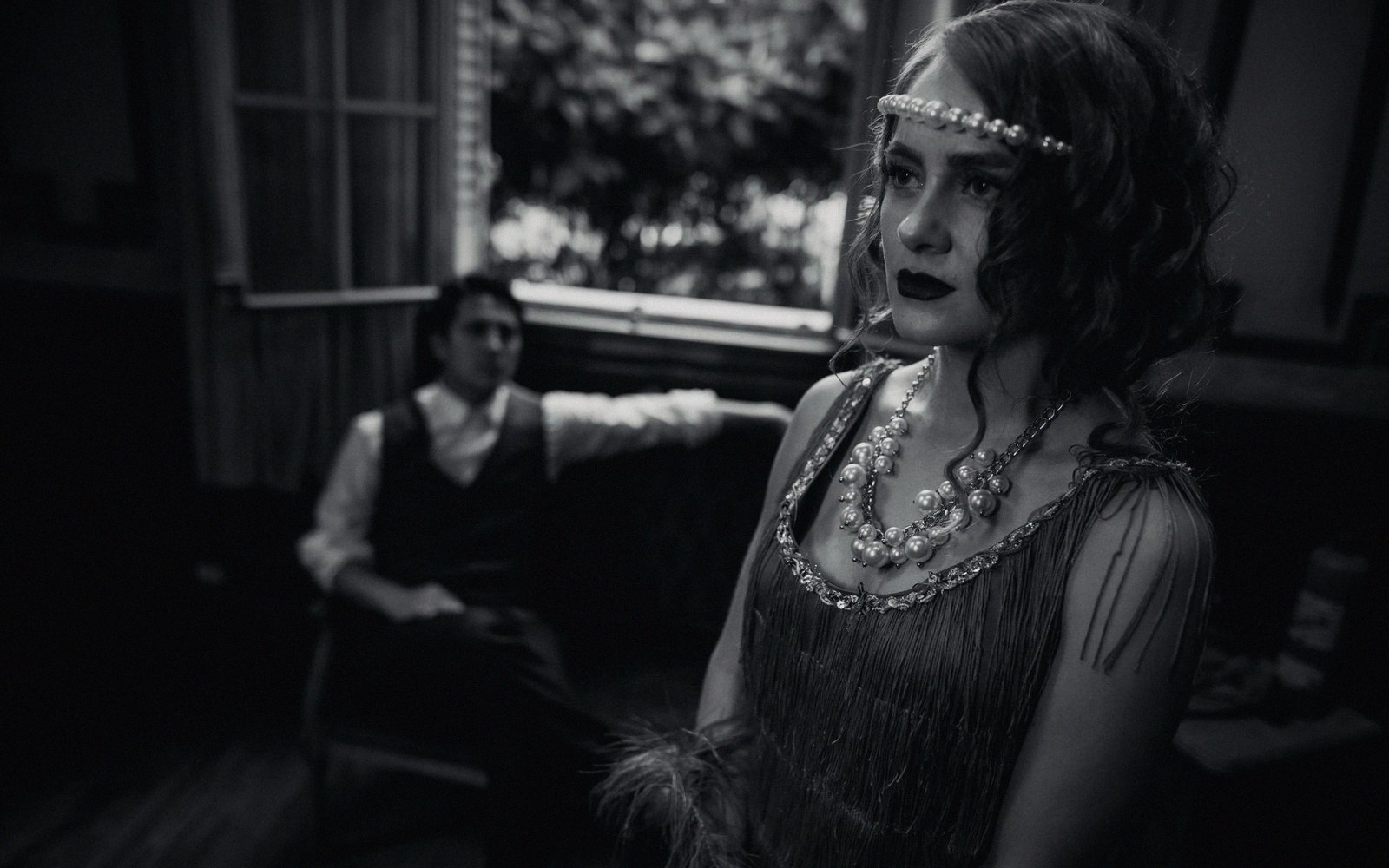
Charleston Folds Back In
Older than the Savoy and absorbed into Lindy the moment the band speeds up. Traces solo and partnered Charleston, and why dancers reach for it as a gear rather than as a separate dance.
- 210≈BPM
Collegiate Shag Is the Stamina Dance
Hop-heavy, vertical and gloriously undignified. What the shag asks of the legs at 180–250, why it survives mostly at the fast end, and how its bounce differs from Charleston's.
- 160≈BPM
Lindy Hop Is the Trunk
Why every other dance on the ruler descends from Lindy: the swingout as an organising figure, the eight-count frame, and the breakaway that gave the form its name. Treats Lindy as the root system rather than one style among six.
- 150≈BPM
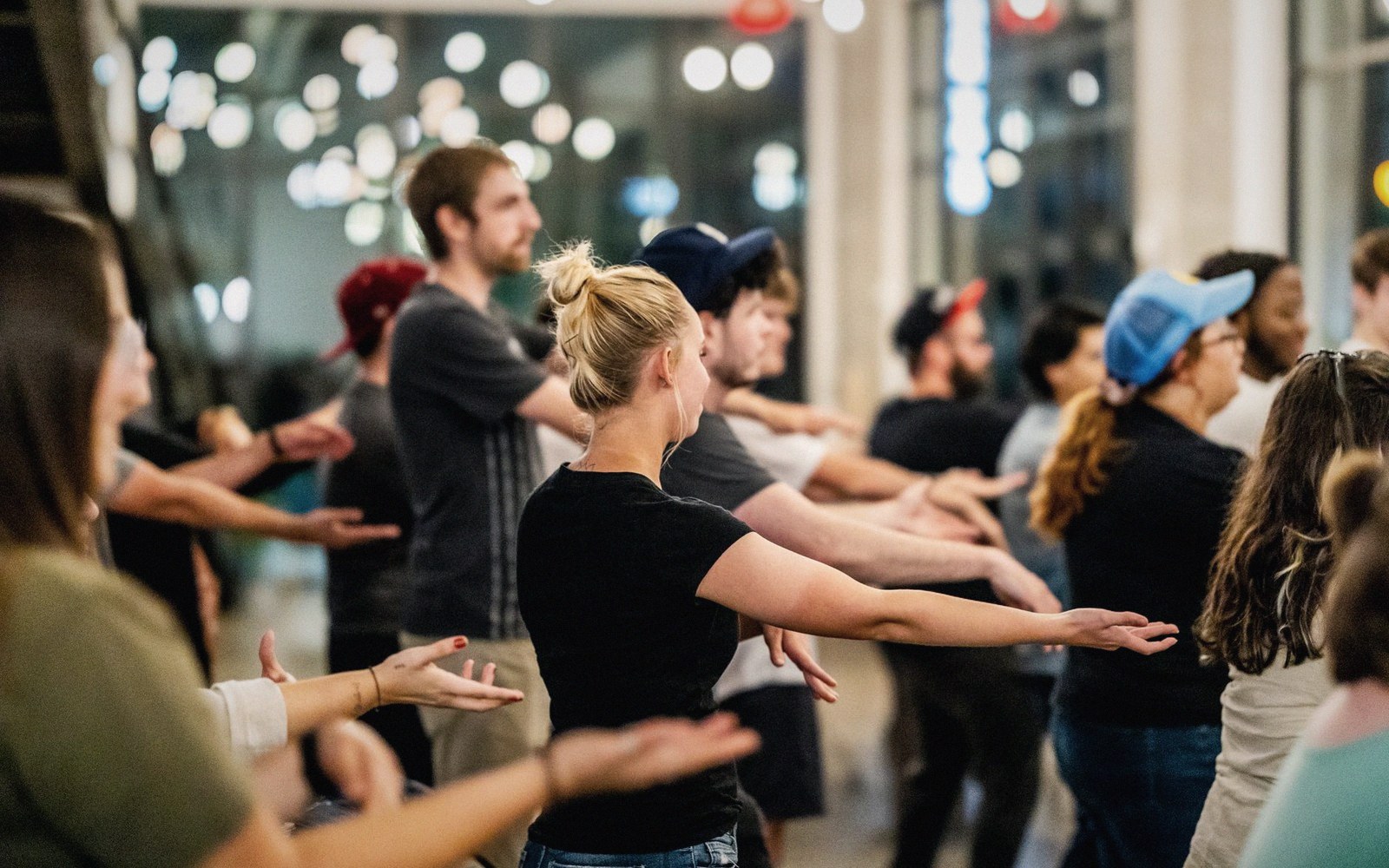
East Coast Swing, and What a Syllabus Is For
Lindy simplified for teaching: the six-count frame, the triple step, and the honest case for a dance built to be learned in an hour. Also what gets lost in the simplification.
- 100≈BPM
The Slot Is the Whole Idea
West Coast Swing as the slow cousin — fixed slot, elastic connection, modern songbook. How the slot changes floorcraft and why the dance travels so well outside swing rooms.