- 190≈BPM

Tempo Is a Decision, Not a Setting
How a bandleader picks a tempo for a room, why the same tune sits differently at 190 and 220, and how a floor tells a band it has chosen wrong.
- 170≈BPM

What a Band Does Differently for Dancers
Playing for a floor is not playing for a seated room: tempo discipline, arrangement length, dynamic shape across a set, and the decision about when to end the night. The mechanics bands know and audiences never see.
- 165≈BPM
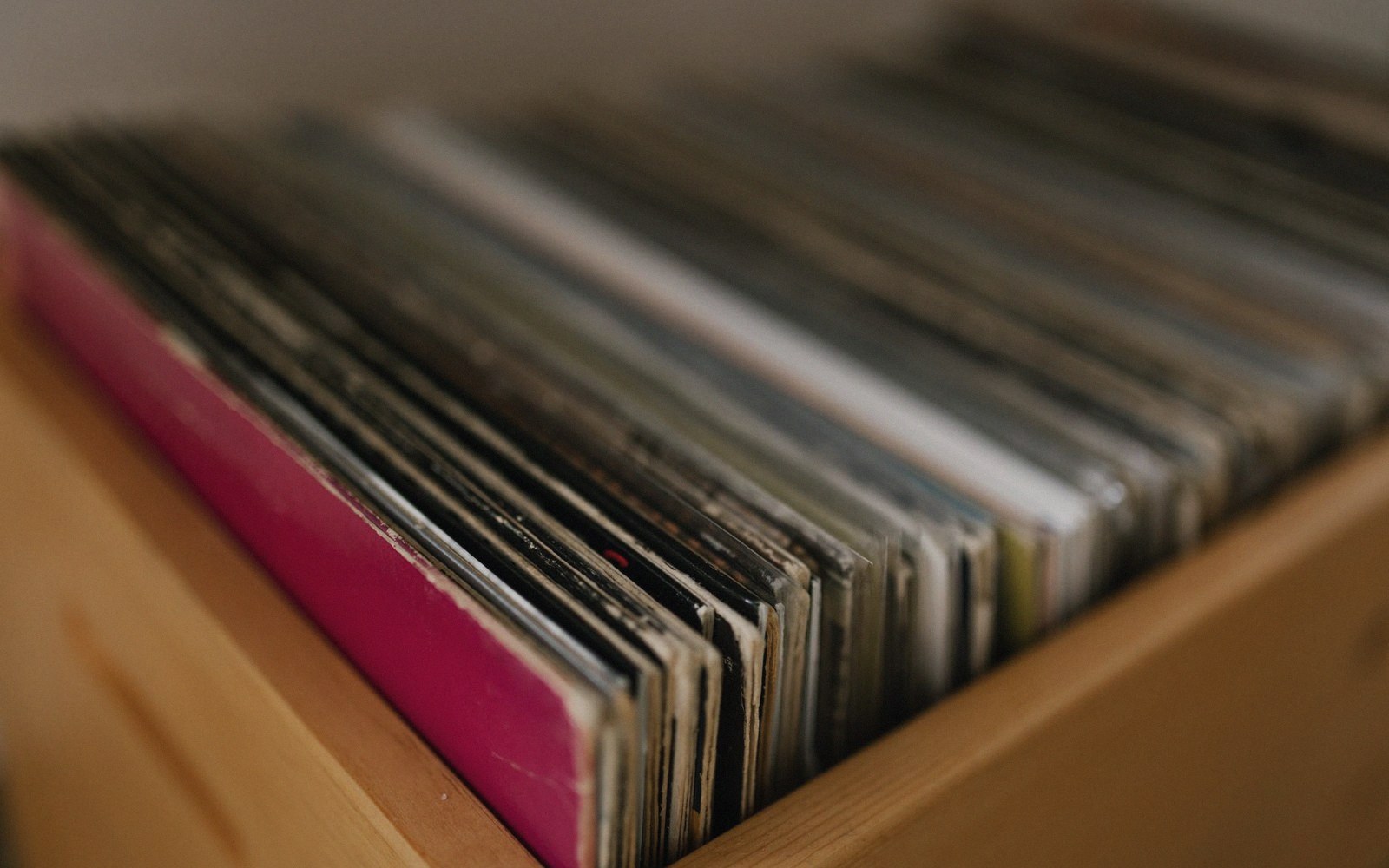
Records That Still Fill Floors
The recordings social floors keep returning to and the musical reasons they work — tempo stability, clear pulse, arrangement length. Described factually, without a ranking or a buying guide.
- 140≈BPM
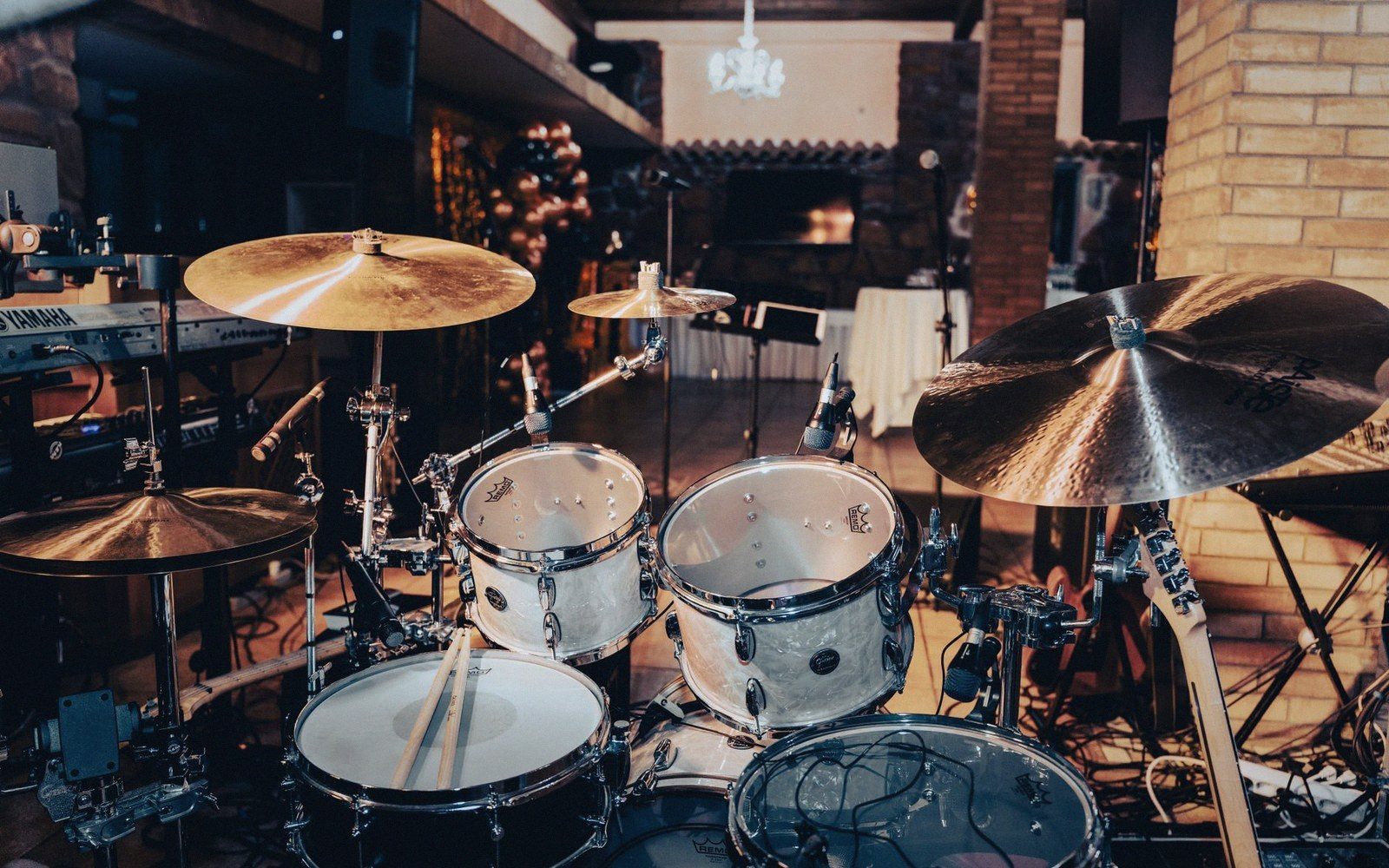
The Rhythm Section's Actual Job
Bass, drums, guitar and piano as the machine the floor stands on. Walking bass as a metronome with opinions, the ride pattern, and why a rhythm section that solos too much empties a room.
- 120≈BPM
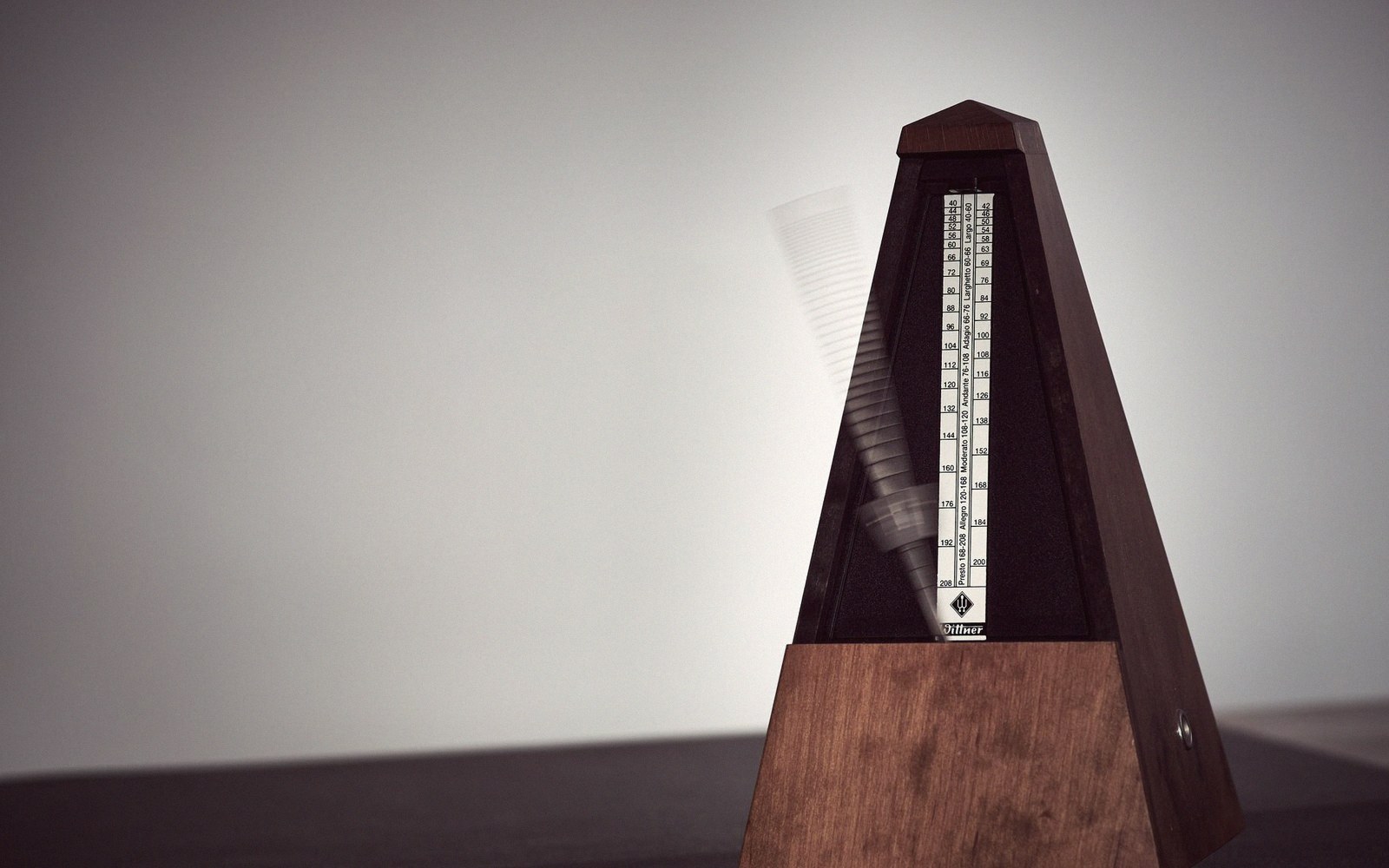
Counting a Song in Fifteen Seconds
Tap quarter notes on the walking bass for fifteen seconds and multiply by four. Why counting the bass rather than the horns is the reliable method, and what to do when the thread is lost.