The one trick that gives you a reliable tempo before you commit to the floor.
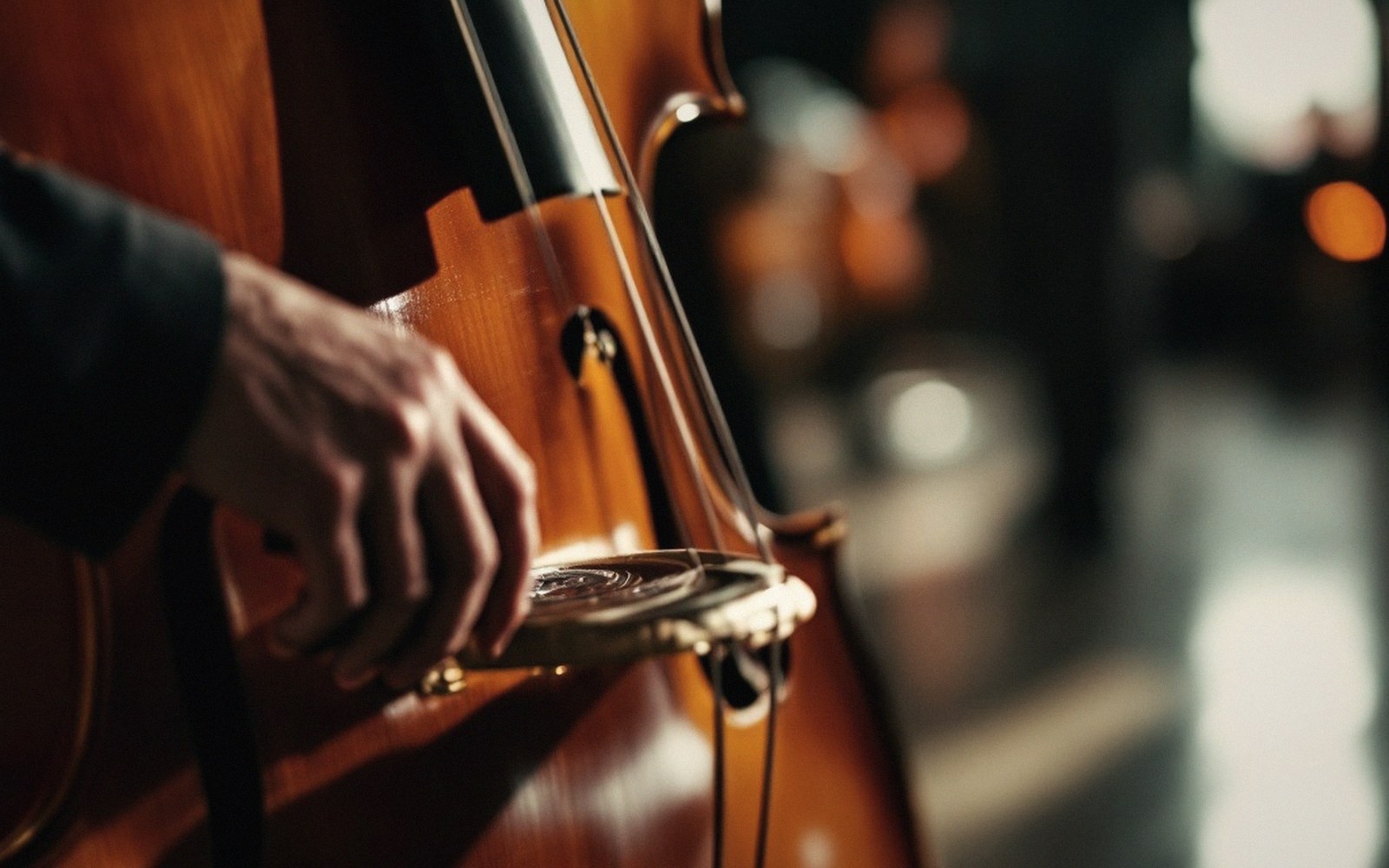
A horn line phrases across the beat — it syncopates, it rests, it drops out for eight bars to let the piano breathe. Try to count against it and you are chasing something that was designed to subvert the pulse. The walking bass does the opposite: in almost every swing arrangement it lands four times per bar, relentlessly, one note per quarter note, from the first measure to the last. It is the metronome the bandleader buried in the bottom of the mix so that everyone else could afford to be interesting.
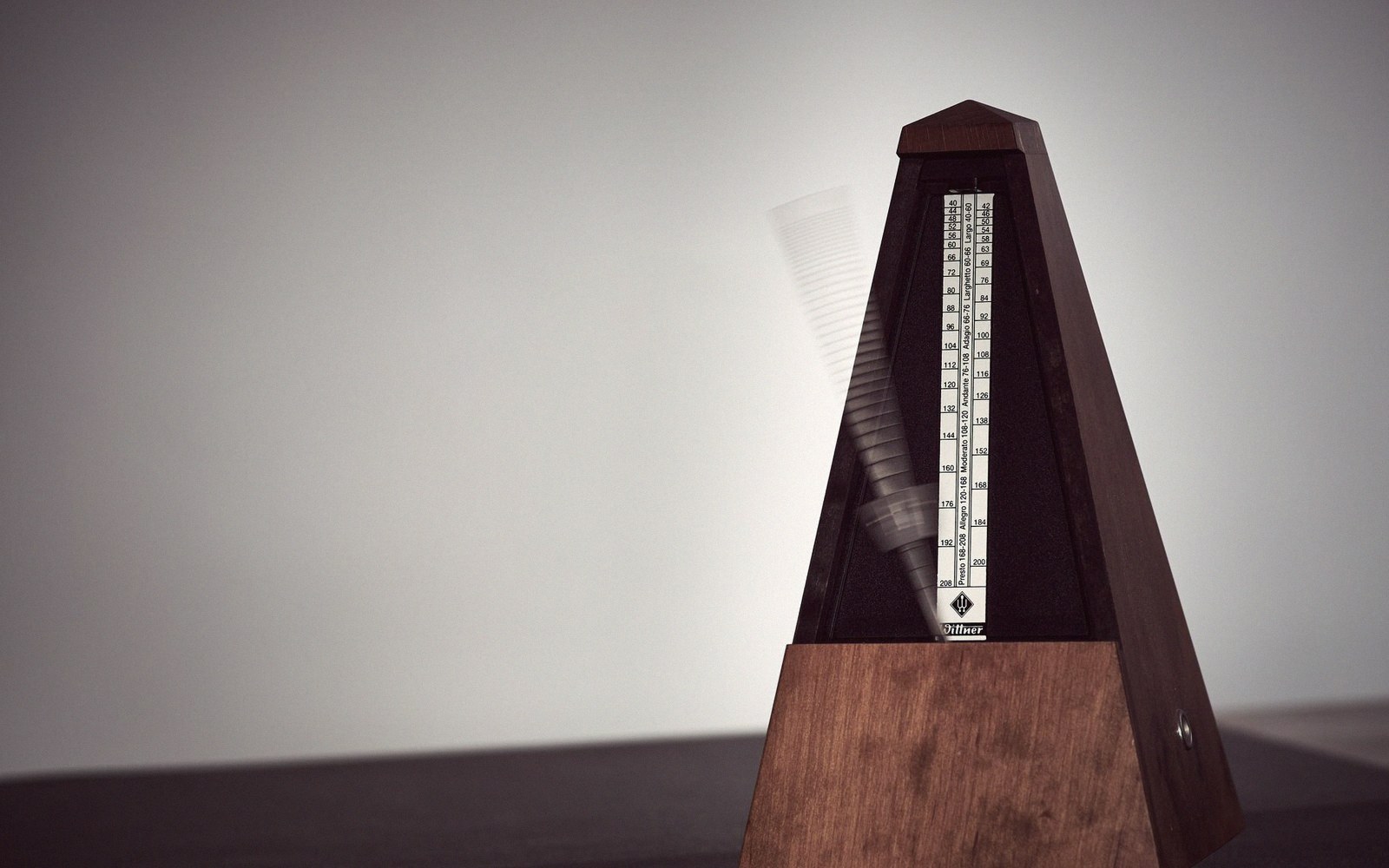
The method is blunt and works every time. The moment a track starts, find the bass — not the kick drum, not the snare on two and four, the bass. Tap a finger against your thigh, one tap per bass note. Count how many taps you accumulate in fifteen seconds, then multiply by four. That number is beats per minute. Somewhere around 130 BPM you are in easy Lindy territory; 160–180 is a working social tempo for most rooms; above 200 and the floor starts to sort itself by ability.
Fifteen seconds is the right window because it is short enough that you do not stand at the edge of the floor long enough to look uncertain, and long enough to absorb a bar or two of groove and give the multiplication a meaningful sample. Eight seconds is too small; thirty seconds is unnecessary.
What breaks the method is a rubato introduction — a slow, unmeasured opening before the rhythm section enters. The bass is not walking yet. Wait. The moment the bass drops in with its stride, start counting. The pianist vamping chord clusters in free time is not your friend here; the bassist arriving and locking with the drummer is.
If you lose the thread mid-count, do not guess. Reset to zero and start again. One more fifteen-second window costs you nothing. Guessing the tempo and committing to the wrong gear costs your partner the next three minutes.
The whole skill takes about one week of conscious practice on recordings you already know, and then it is permanent.